
Cybersecurity Basics – Staying safe online
In our fast-moving digital world, everything happens online — shopping, banking, studying, and even working from home. While this convenience is great, it also brings risks. Every day, hackers, scammers, and cybercriminals try to steal personal data, passwords, or financial information. That’s why cybersecurity has become one of the most important topics for everyone, not just IT experts.
Whether you’re a student, business owner, or professional, learning cybersecurity basics can help you stay safe online and protect your valuable information.
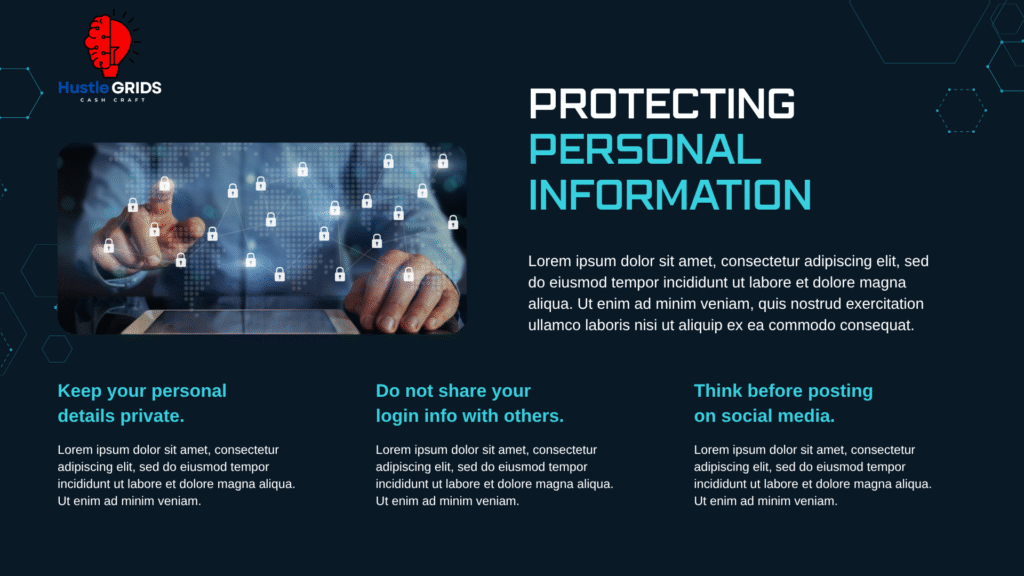
What is Cybersecurity?
Cybersecurity means protecting computers, networks, and online systems from attacks or unauthorized access. These attacks can come in many forms — viruses, phishing emails, data breaches, or identity theft.
Simply put, cybersecurity is like locking your doors in the digital world. Just as you wouldn’t leave your house open, you shouldn’t leave your online accounts unprotected either.
Why Cybersecurity Matters
The internet connects billions of people — but it also connects criminals looking for weak points. A single mistake, like clicking the wrong link, can expose your personal or business data.
Here’s why cybersecurity is so important:
- Protects Personal Data: Your passwords, financial information, and identity can be stolen if not secured properly.
- Prevents Financial Loss: Online scams, ransomware, and fraud can cost people thousands of dollars.
- Builds Trust: For businesses, strong security builds trust with customers and clients.
- Ensures Privacy: You have the right to keep your messages, files, and photos private.
- Avoids Legal Issues: Many countries now have laws that require businesses to protect customer data.
In short, cybersecurity helps you stay safe, smart, and secure in the online world.
Common Cyber Threats You Should Know
Cybercriminals use clever tricks to break into systems. Knowing about these threats is the first step to avoiding them.
1. Phishing Attacks
These are fake emails or messages pretending to be from trusted companies (like banks or delivery services). They often ask you to click a link or share personal information.
Tip: Always check the sender’s email address and never click suspicious links.
2. Malware
Malware is short for “malicious software.” It includes viruses, spyware, and ransomware that can damage your device or steal information.
Tip: Use trusted antivirus software and avoid downloading unknown files.
3. Ransomware
This is a type of malware that locks your computer or data until you pay a ransom. It can affect individuals and large companies alike.
Tip: Keep regular data backups and never pay the ransom — contact cybersecurity professionals instead.
4. Social Engineering
This happens when hackers trick people into giving away information. For example, someone might call pretending to be from your bank.
Tip: Never share passwords or codes over the phone or message.
5. Weak Passwords
Using easy passwords like “123456” or “password” makes it simple for hackers to guess and break in.
Tip: Always use strong, unique passwords for every account.
Basic Cybersecurity Practices to Stay Safe
Even simple steps can make a big difference in keeping your online life secure.
1. Use Strong Passwords and a Password Manager
Create complex passwords with a mix of uppercase, lowercase, numbers, and symbols. Use a password manager (like LastPass or Bitwarden) to store them safely.
Example: M@rk2025!Secure is stronger than mark123.
2. Enable Two-Factor Authentication (2FA)
2FA adds an extra security layer. Even if someone steals your password, they can’t log in without the second verification code sent to your phone or email.
3. Update Software Regularly
Hackers often target outdated software. Keep your phone, apps, and computer updated to fix security vulnerabilities.
4. Be Careful on Public Wi-Fi
Avoid accessing bank accounts or making payments on free public Wi-Fi. These networks can be unsafe and easy to hack.
Tip: Use a VPN (Virtual Private Network) for added protection.
5. Think Before You Click
Never click on unknown links, pop-ups, or attachments — especially in emails or social media messages. Many attacks start this way.
6. Backup Your Data
Regularly back up important files to an external hard drive or cloud service. This way, even if your device is hacked or damaged, your data stays safe.
7. Secure Your Devices
Lock your phone, use fingerprints or PINs, and don’t share access unnecessarily.
8. Be Aware of Social Media Scams
Fake giveaways, cloned profiles, and phishing links are common on social media. Always verify before sharing personal details.
Cybersecurity for Businesses
For business owners, cybersecurity is even more critical. A single data breach can damage your reputation and cost thousands of dollars.
Here are some must-follow tips:
- Train employees about phishing and data protection.
- Use firewalls and antivirus software on all systems.
- Secure customer information and use encrypted connections (HTTPS).
- Limit access to sensitive files to only trusted employees.
- Create an emergency response plan for possible cyberattacks.
Good security not only protects your company but also builds trust with your customers.
Cybersecurity and the Future
As technology grows, so do cyber threats. With the rise of AI, IoT (Internet of Things), and remote work, more devices are connected than ever before. This creates both opportunities and risks.
In the future, cybersecurity will focus more on:
- AI-based protection to detect and block attacks automatically.
- Biometric security like fingerprints and facial recognition.
- Cyber awareness training for all employees.
- Cloud security as more businesses move online.
Being proactive about security today means protecting your future tomorrow.
Final Thoughts
Cybersecurity isn’t just for tech experts — it’s for everyone who uses the internet. Every message you send, every payment you make, and every account you log into needs protection.
Staying safe online is simple when you follow the right steps: use strong passwords, avoid suspicious links, and always stay alert.
Remember, prevention is better than cure — and in the digital world, your awareness is your best defense.
By practicing good cybersecurity habits, you can enjoy the benefits of the online world while keeping your personal and professional life secure.


1 comment so far