

The Art and Importance of Video Editing: Transforming Footage into Stories
In today’s digital era, video content is everywhere. From social media platforms to corporate presentations, videos have become the most powerful medium to communicate messages, tell stories, and engage audiences. However, raw footage alone cannot capture attention or convey the intended message effectively. This is where video editing plays a crucial role. Video editing is not just a technical task—it’s an art form that transforms raw clips into compelling narratives.
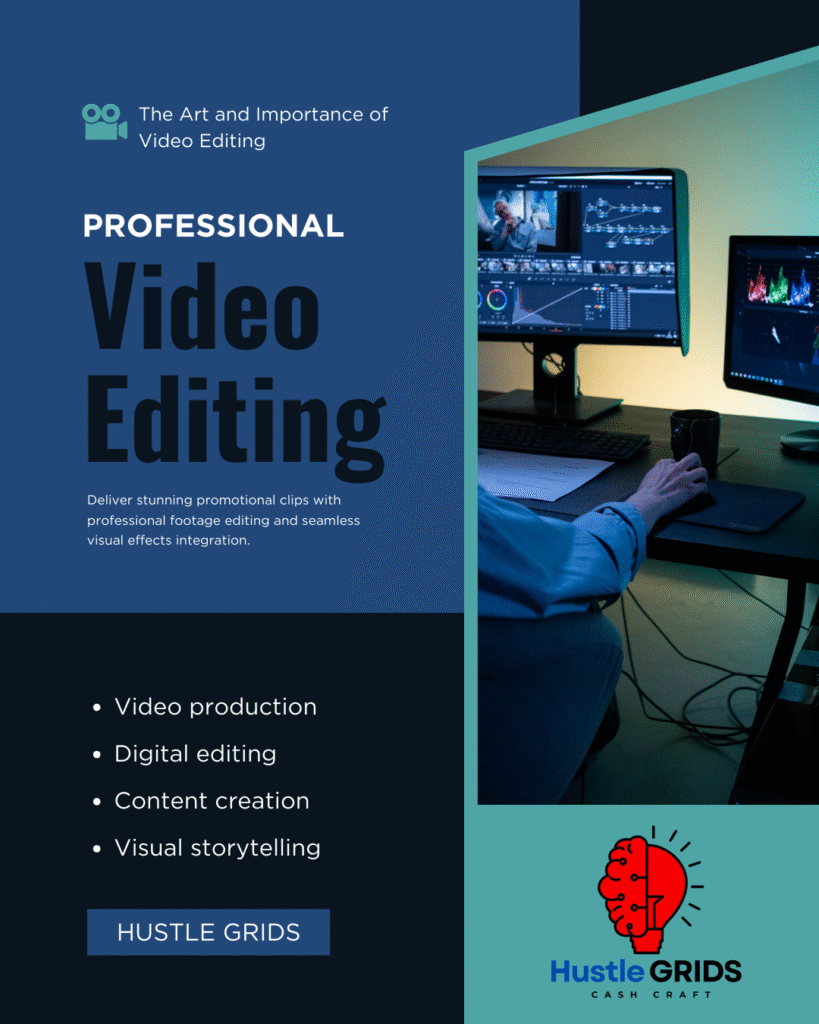
Why Video Editing Matters
Video editing is the process of organizing, cutting, and enhancing footage to create a polished final product. Its importance extends far beyond mere aesthetics:
Storytelling: Editing allows creators to structure their content, emphasizing key moments, pacing the narrative, and evoking emotions. Whether it’s a promotional video, a music video, or a short film, editing shapes the viewer’s experience.
Audience Engagement: Well-edited videos hold viewers’ attention longer. By using techniques like jump cuts, transitions, and dynamic visuals, editors can make content more engaging and memorable.
Professional Appearance: Clean cuts, smooth transitions, and cohesive visuals give videos a professional look, enhancing the credibility of a brand or creator.
Message Clarity: Editing ensures that the intended message is clear, concise, and easy to understand. It eliminates distractions, unnecessary content, or mistakes, keeping the audience focused on the core message.
Key Types of Video Editing
Video editing is a versatile field, encompassing several techniques and styles depending on the purpose:
- Linear Editing: This traditional method involves arranging footage sequentially. Though less common today, it’s still useful for certain documentary or archival projects.
- Non-Linear Editing (NLE): Modern video editing relies on NLE software, such as Adobe Premiere Pro, Final Cut Pro, or DaVinci Resolve. Editors can manipulate clips freely, experiment with effects, and refine the story easily.
- Color Grading: Color grading enhances visual appeal, sets the mood, and adds a cinematic feel. It can drastically change the tone of a video, making it more immersive.
- Motion Graphics and Visual Effects (VFX): Adding animations, titles, or visual effects can make videos more dynamic, engaging, and professional.
- Audio Editing: Sound design, background music, and voiceovers are integral. Crisp audio elevates the viewing experience, making content more enjoyable and impactful.
- Social Media Editing: Quick, attention-grabbing edits tailored for platforms like TikTok, Instagram, or YouTube help videos perform better in the fast-scrolling digital environment.
Essential Skills for Video Editors
A great video editor is a mix of creativity, technical skill, and storytelling ability. Some essential skills include:
Attention to Detail: Every cut, transition, and effect must be precise to maintain a smooth flow.
Creativity: Innovative ideas for sequences, effects, and visuals keep content fresh and engaging.
Software Proficiency: Knowledge of industry-standard software is crucial for efficiency and professional results.
Time Management: Editing can be time-consuming. Managing deadlines and workflow ensures timely delivery without compromising quality.
Communication: Editors often work with directors, clients, or teams. Understanding their vision and implementing feedback is key to producing content that meets expectations.
Why Hire Professional Video Editors?
While DIY editing tools are widely available, professional editors bring expertise and efficiency that elevate content significantly:
Quality: Professionals know how to enhance visuals, optimize audio, and create a polished final product.
Consistency: Regular and high-quality editing builds audience trust and brand credibility.
Creativity: Experienced editors can turn average footage into a visually compelling story using advanced techniques.
Time Savings: Outsourcing editing allows creators or businesses to focus on shooting content or other operations while ensuring the final product meets high standards.
Technical Knowledge: Professionals understand formats, resolutions, color profiles, and audio standards, ensuring content is compatible across platforms.
Tips for Creating Engaging Video Content
Even if you hire a professional editor, understanding some basics can improve collaboration and the final outcome:
- Plan Before Shooting: Storyboards and shot lists make the editing process smoother.
- Keep Footage Organized: Proper labeling and folder structures save time during editing.
- Focus on Storytelling: Every clip should serve the narrative or purpose of the video.
- Prioritize Audio: Clear dialogue, balanced music, and ambient sound enhance the overall impact.
- Experiment and Refine: Editing is a creative process. Experiment with cuts, transitions, and effects to see what works best.
Final Thoughts
Video editing is the backbone of modern visual storytelling. It turns raw footage into content that informs, entertains, and inspires. From small businesses to large corporations, effective video editing can elevate brand presence, improve engagement, and leave a lasting impression on audiences. Whether for marketing campaigns, social media content, or personal projects, investing in quality video editing ensures your message is delivered clearly and memorably.
Remember, behind every captivating video, there is a skilled editor transforming ideas into reality. So, if you want your content to stand out, don’t underestimate the power of professional video editing—it’s the difference between ordinary footage and extraordinary storytelling.

Leave a Reply